
Do Merino Wool Socks Smell? How Many Days They Stay Fresh
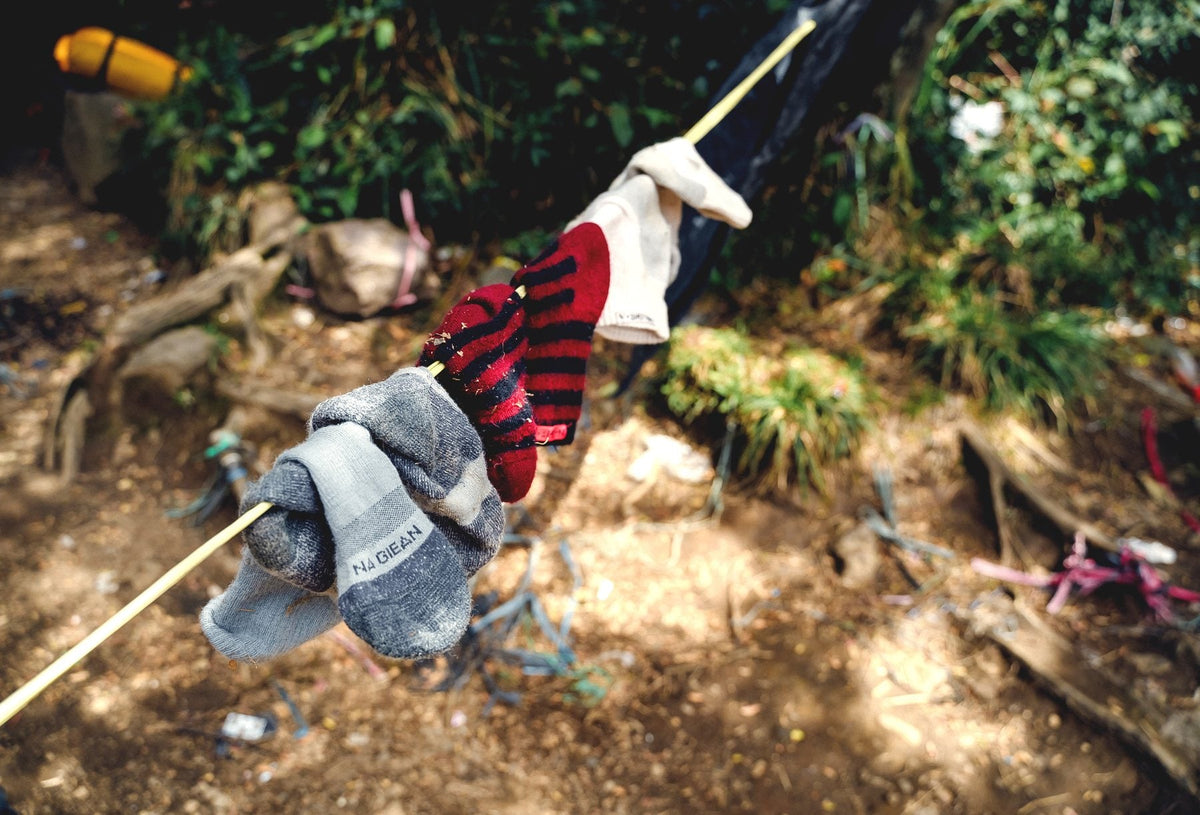
Wool does not destroy odor. It absorbs the water bacteria need, then traps what is left. The buffer is real, and it has a fill line.
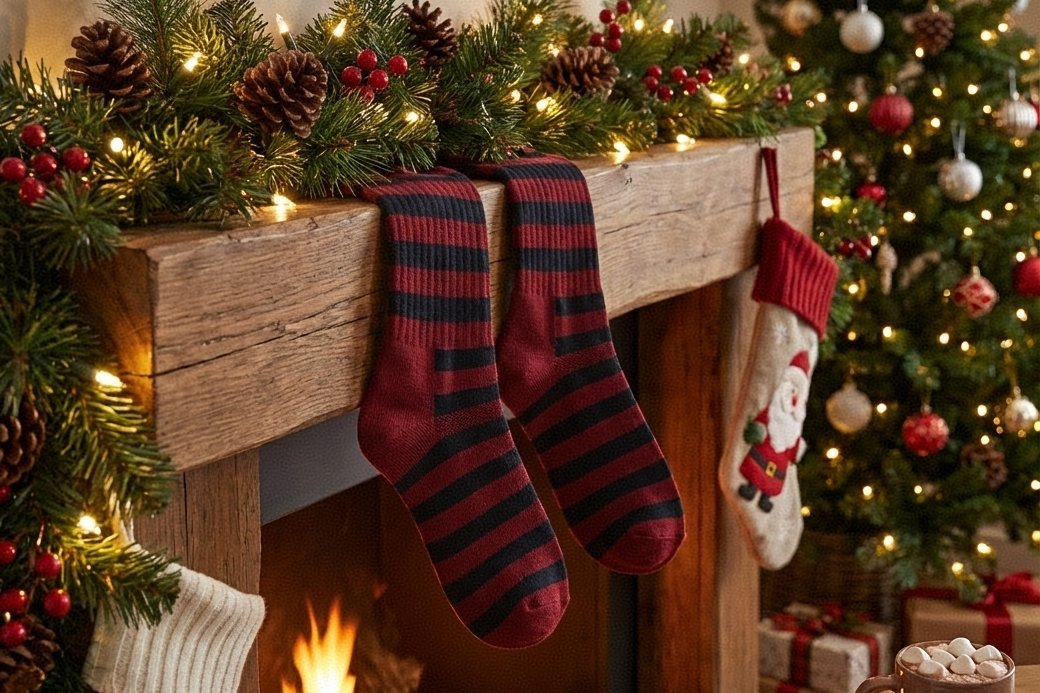
Merino Wool Socks Gift Guide: 1,700 Years of Evidence
Socks have been the Christmas gift since a fourth-century legend put gold in one — a practical guide to giving merino wool hiking socks, from size to height to cushion.
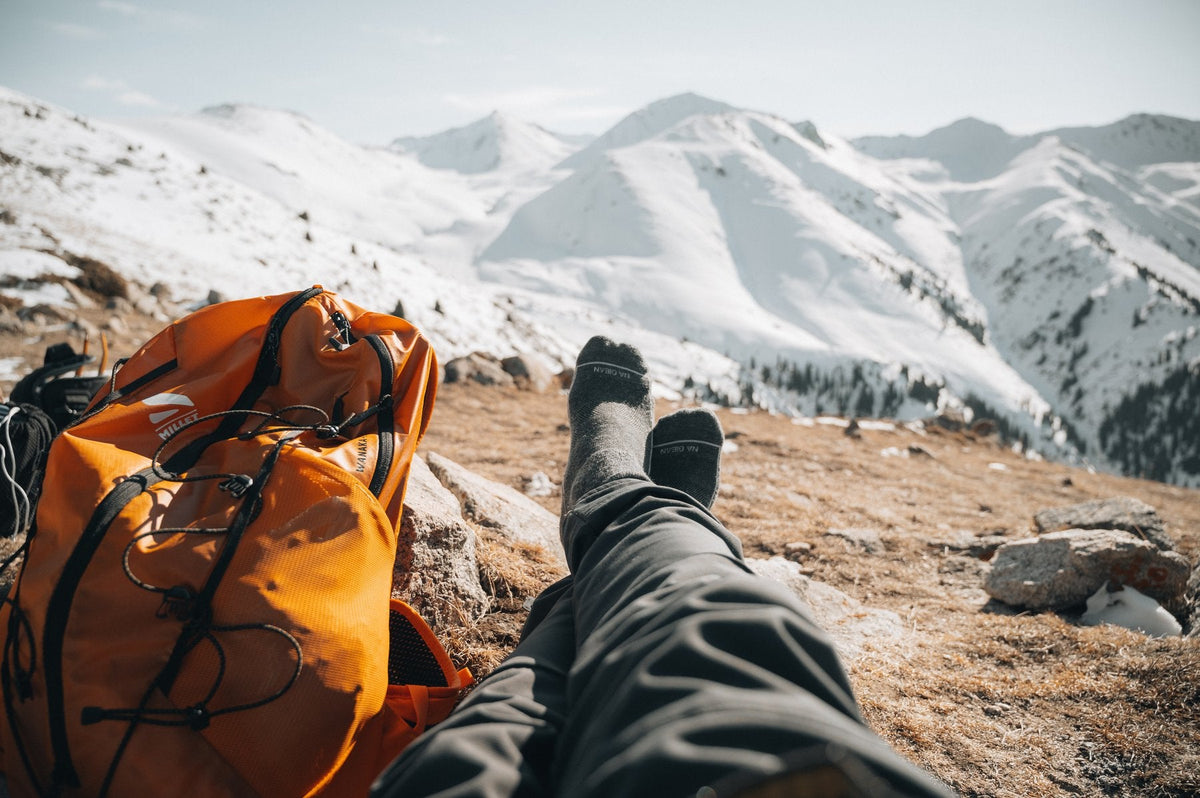
How to Keep Your Feet Warm While Hiking: Thicker Isn't Warmer
Cold feet on the trail are usually a circulation problem, not an insulation problem. Why a thicker sock can make feet colder — and what actually works.
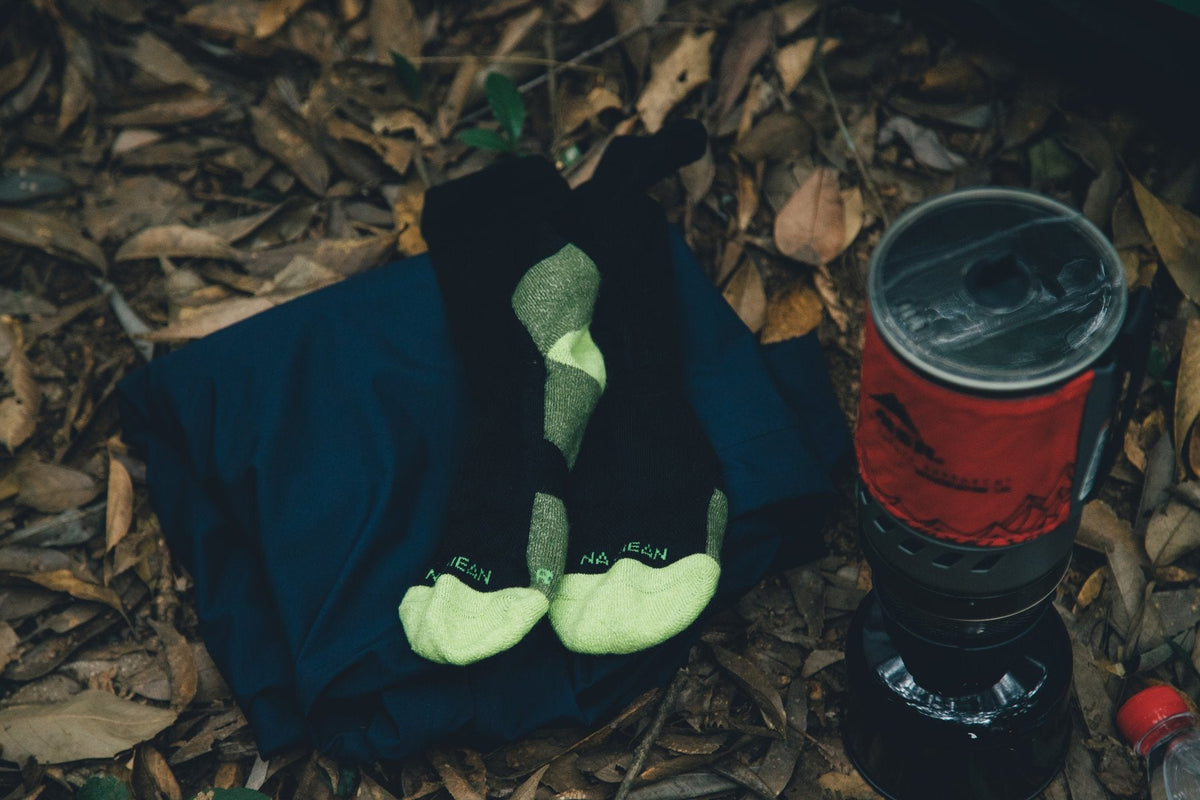
How Long Do Merino Wool Socks Last? A Realistic Guide
A well-made merino hiking sock lasts roughly 300–600 miles before the heel or toe thins. Here's what changes that number, and how to know it's time to replace.
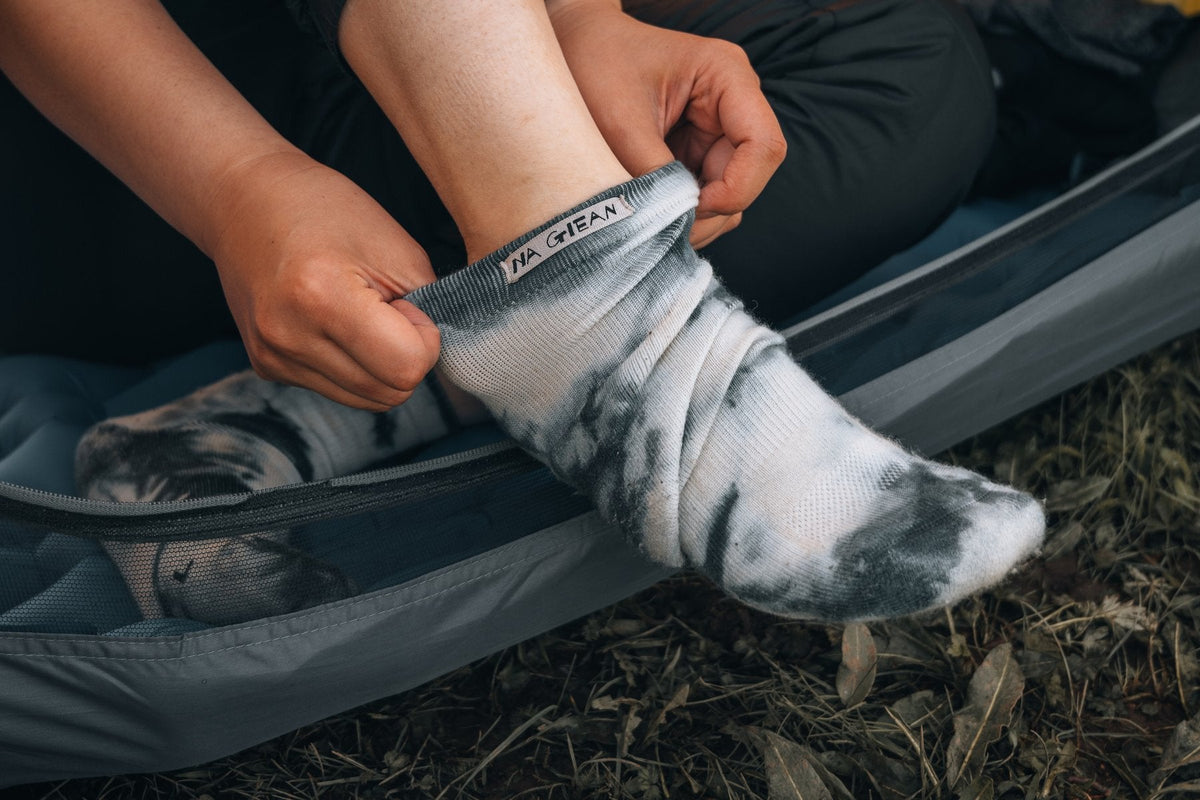
Merino vs Synthetic Hiking Socks: An Honest Comparison
Wool and synthetics keep your feet comfortable in opposite ways. Here's where each one actually wins — and why most good hiking socks use both.
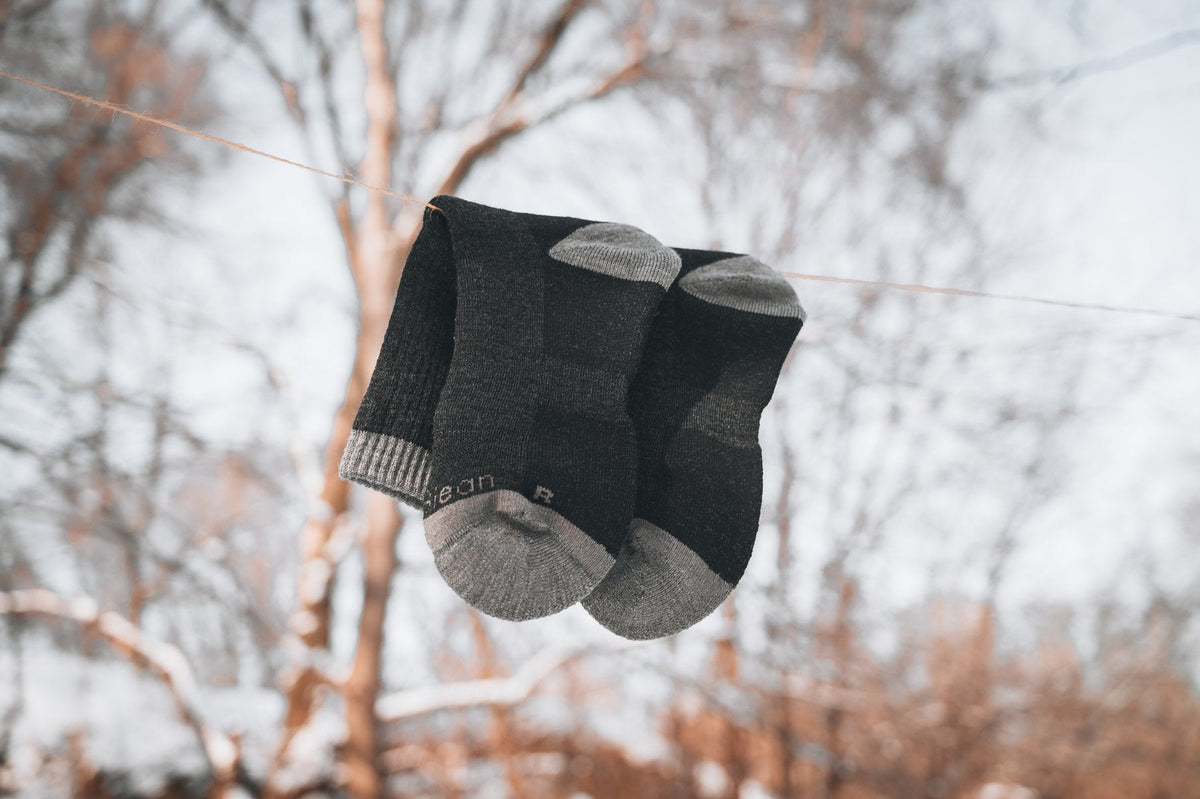
Hiking in the Rain: How to Keep Your Feet Dry (and Happy)
You can't keep rain out of your boots forever. The socks decide whether the day is ruined or just wet.
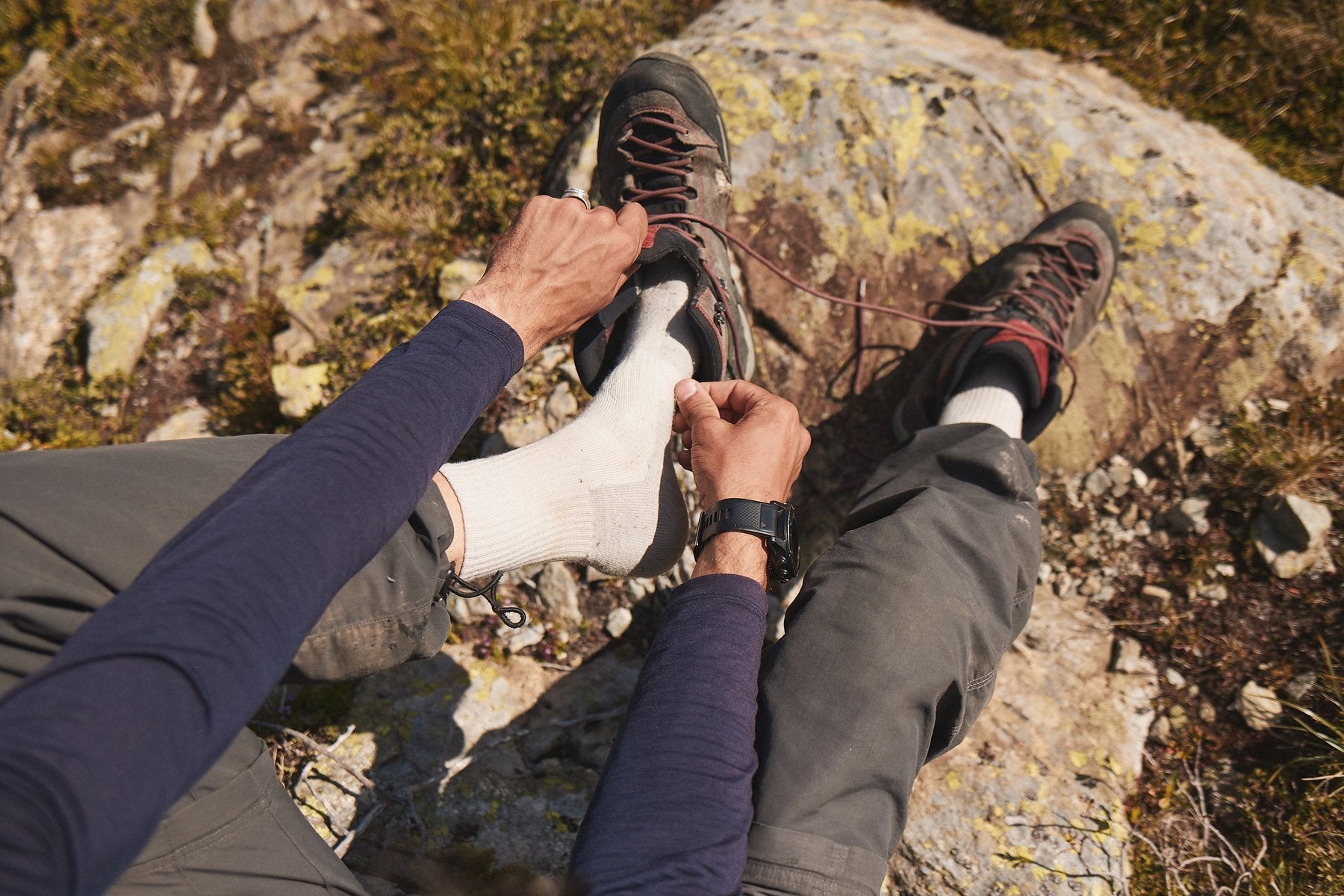
Blister Prevention 101: Why Your Socks Matter More Than Your Boots
Blisters are not caused by bad boots alone. Socks do more of the work than most hikers think. How friction, moisture and fit actually work.
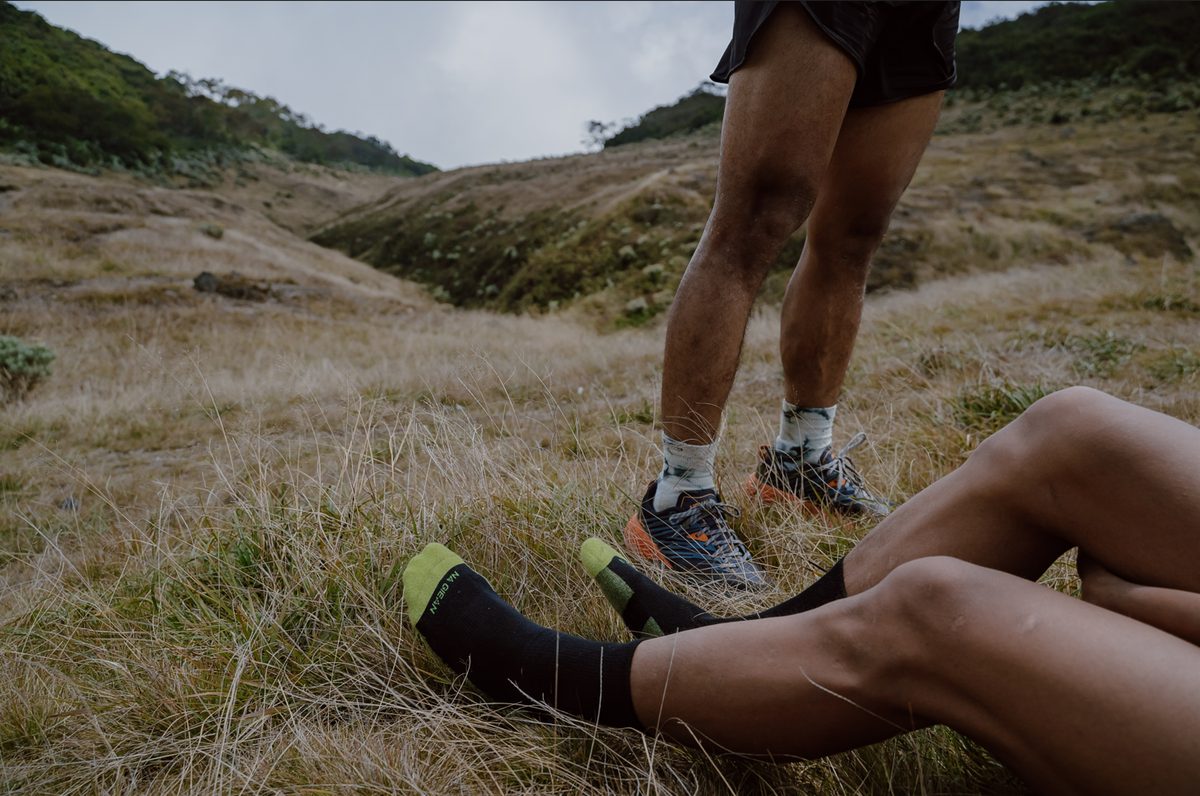
Crew vs Quarter Hiking Socks: Which Height Do You Need?
Crew or quarter height? Each has a real trade-off in coverage, warmth and debris protection. How to pick depending on your boots and terrain.
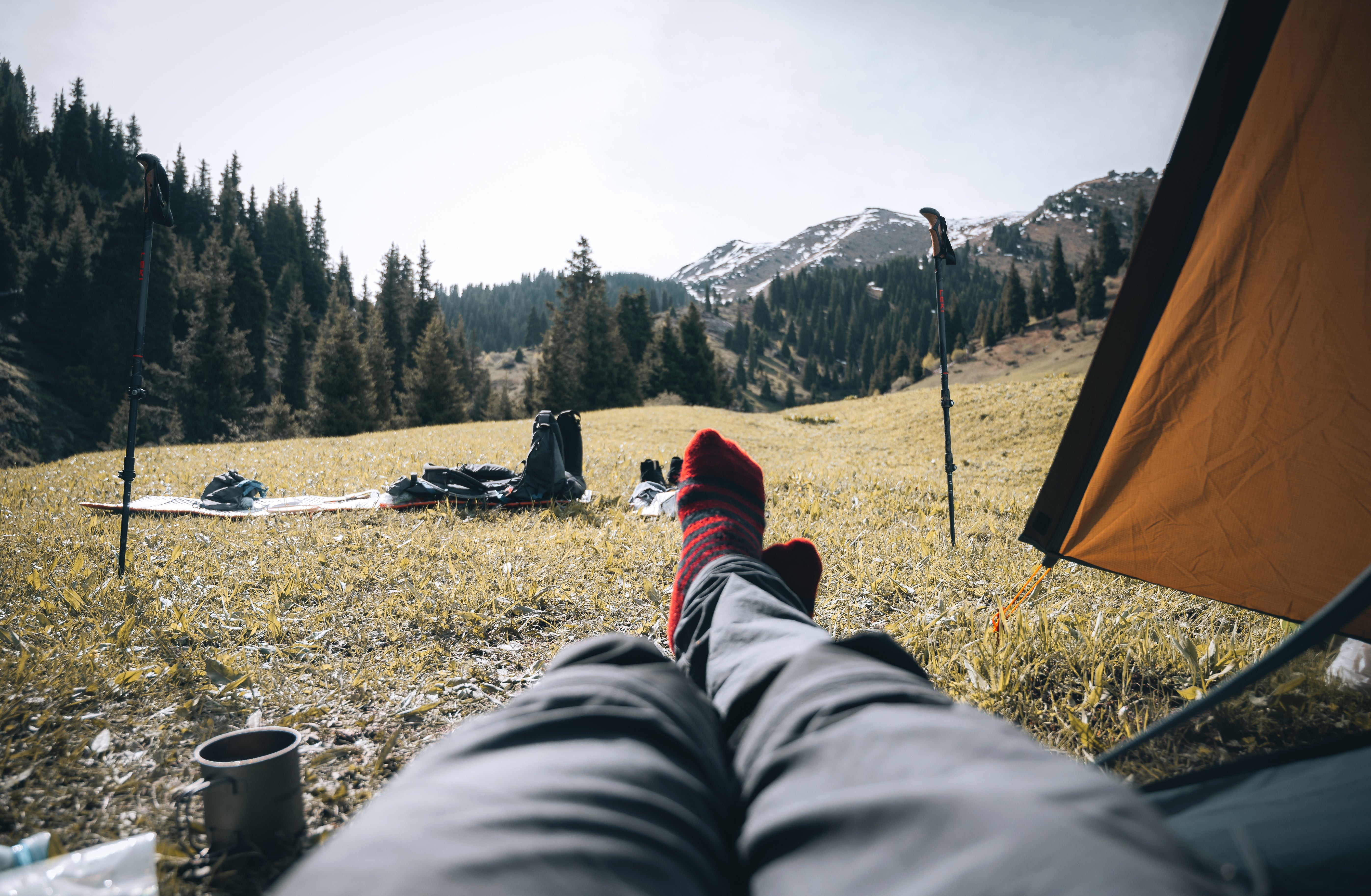
Day Hike Packing List: What's in Our Bags
What we actually carry on a day hike — and what we stopped carrying. A practical packing list from people who spend their weekends on trail.
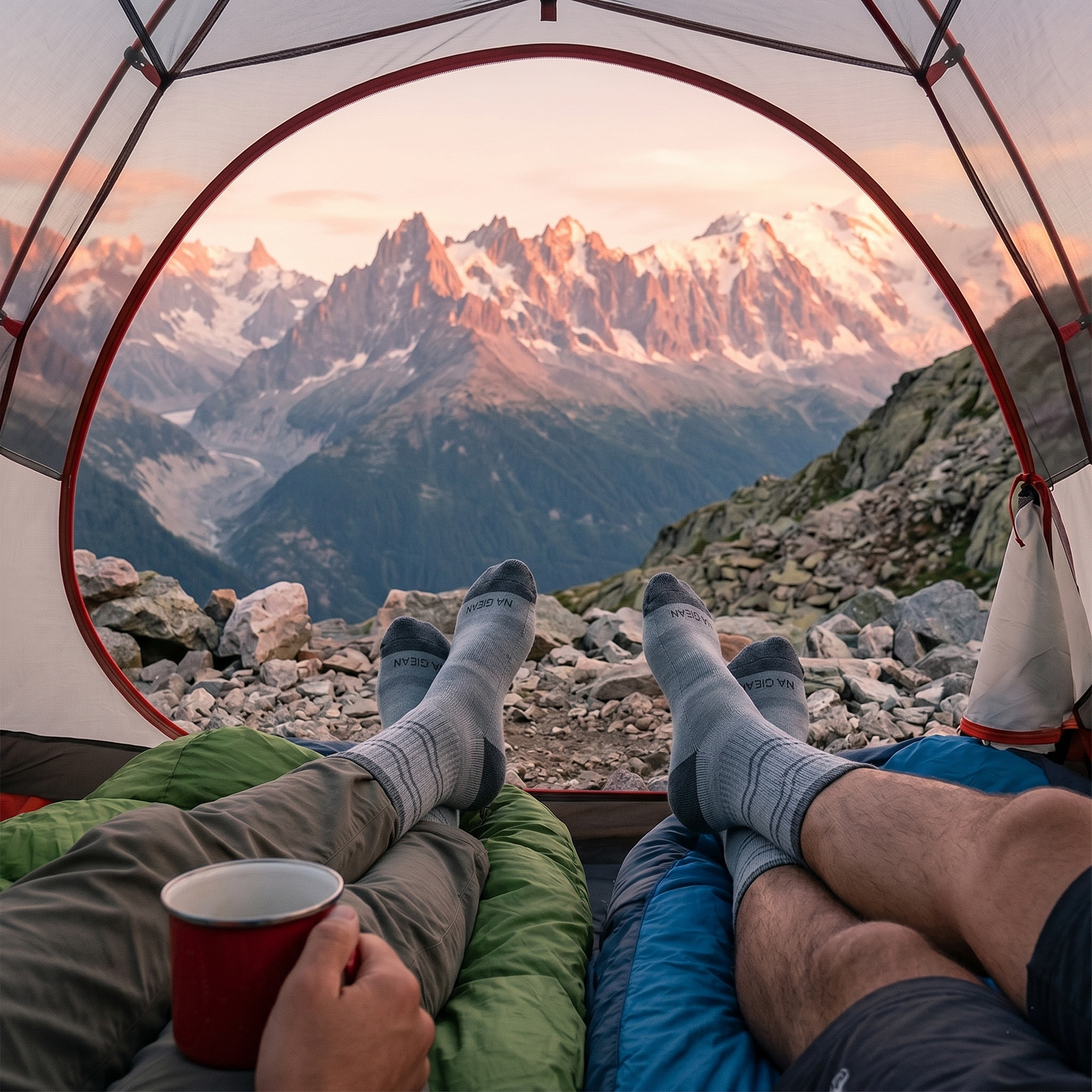
How to Layer for Cold Weather Hiking
Most layering guides start at the chest. The trip that ends early starts at the feet. How to layer for cold weather hiking, from the ground up.
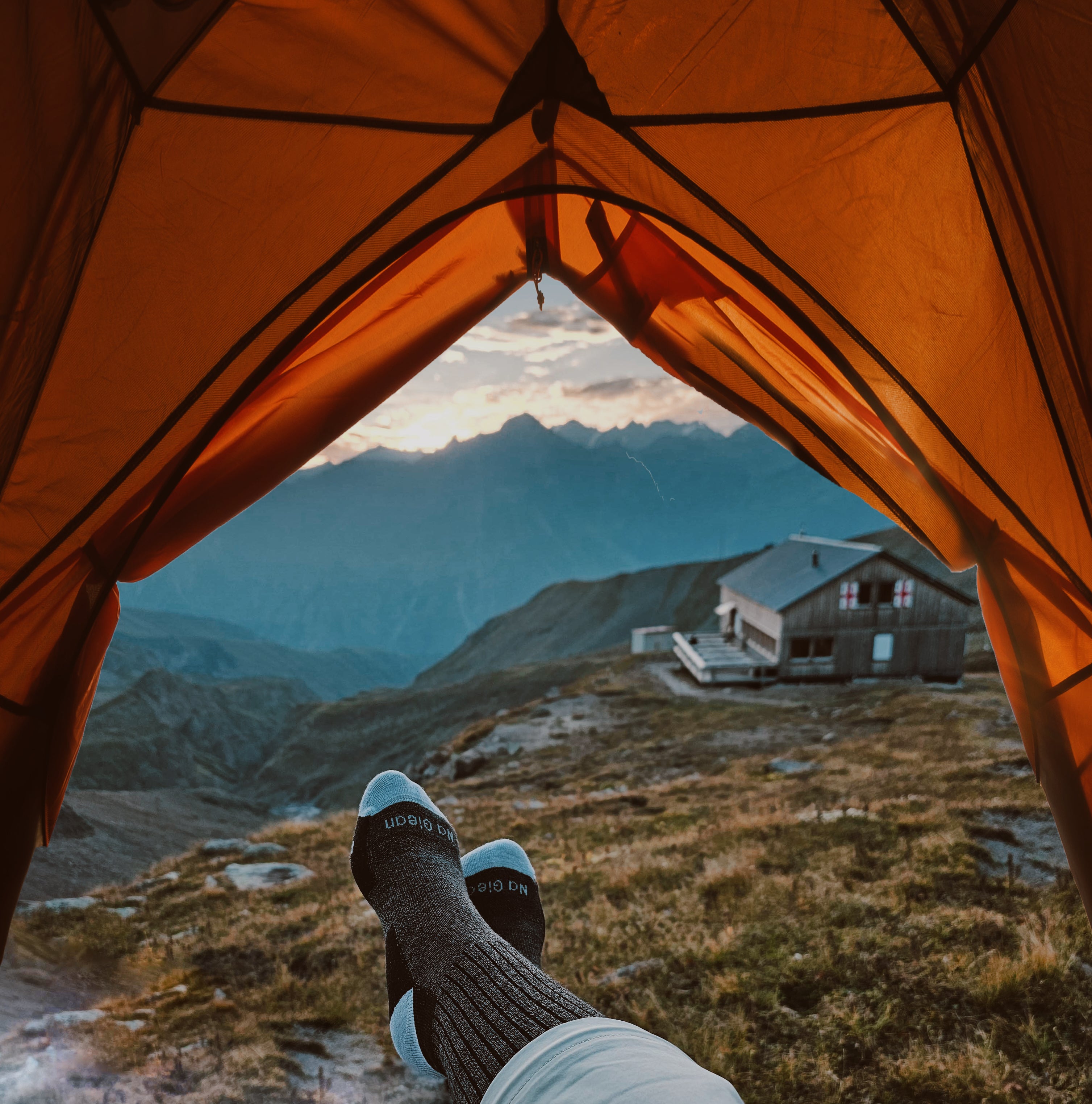
Why Hikers Switch to Merino Wool Socks
Cotton and synthetic socks feel fine for the first mile. Then the blisters start. Here is why hikers switch to merino wool — and stay with it.